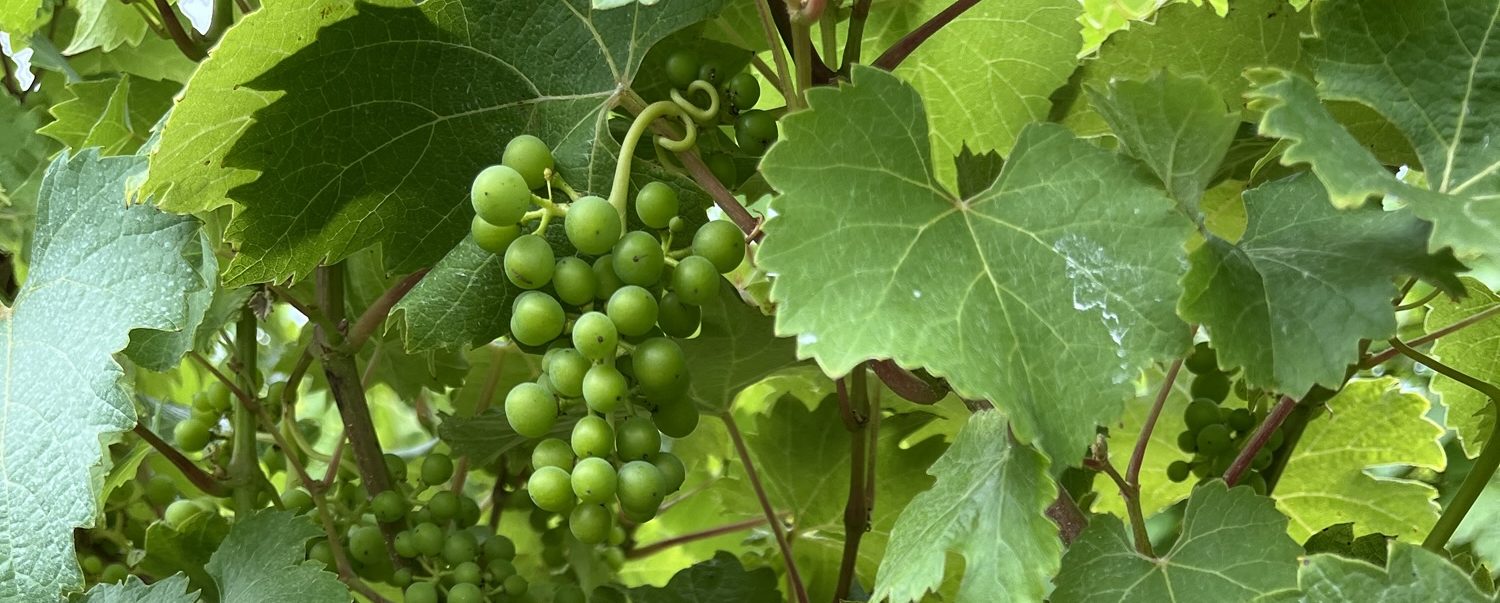
As climate change, rising production costs and environmental pressures reshape the wine industry, a quiet revolution is taking root in vineyards across Europe.
PIWI wines, produced from fungus-resistant grape varieties, are emerging as one of the most compelling answers to modern viticulture’s greatest challenges. Once dismissed as experimental hybrids, these resilient grapes are now producing quality wines with character and regional expression, while dramatically reducing the need for chemical treatments in the vineyard.
From pioneering growers in France and Germany to ambitious producers in Austria, Italy and Switzerland, PIWI varieties are gaining momentum among winemakers seeking more sustainable ways to cultivate grapes without compromising on taste. The story of PIWI wines covers everything from scientific innovation, historical necessity and shifting consumer values, to disease outbreaks, environmental concerns and a renewed vision for the future of wine.
What are PIWI wines?
Derived from the German term pilzwiderstandsfähig, meaning “fungus-resistant”, PIWI wines are made from grape varieties bred to be resistant to fungal diseases such as powdery and downy mildew.
These varieties are typically developed through traditional viticultural methods and the natural cross-breeding of European Vitis vinifera vines with wild American or Asian grape species.
Today, there are over one hundred PIWI varieties in existence, including:
Whites: Souvignier Gris, Phoenix, Felicia, Orion, Sauvignac, Cabernet Blanc.
Reds: Regent, Pinotin, Prior, Cabernet Cortis, Cabertin, Satin Noir.
Many of these are complex hybrids with carefully selected parentage. For instance, Souvignier Gris is a cross of Seyval Blanc and Zähringer, while Phoenix combines Bacchus lineage with Villard Blanc.
A history shaped by crisis and reinvention
The roots of today’s PIWI wines stretch back over 150 years to the late nineteenth century, when European vineyards were devastated by phylloxera, prompting growers in France to experiment with crossings between European Vitis vinifera vines and wild American grapes.
These early hybrids were widely planted but had fallen out of favour by the mid-20th century, when a new generation of breeders began refining crossings, aiming to combine disease resistance with the flavour profiles of classic European varieties. This experimentation led to modern PIWI grapes such as Souvignier Gris and Cabertin.
This was not the end of the story. For decades, EU wine law restricted non-Vitis vinifera varieties in quality wine production. However, newer fungus-resistant varieties have increasingly been classified within Vitis vinifera (subspecies sativa), opening the door to broader acceptance and in 2021, the EU allowed the use of PIWI varieties in the production of wines with protected designation of origin (PDO) status for the first time.
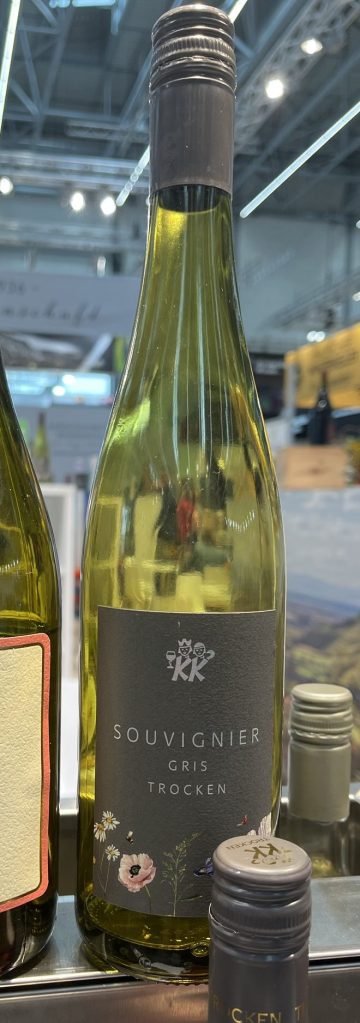
PIWI grape varieties
Today’s PIWI wines are a far cry from their early predecessors, offering both quality and stylistic diversity.
Selected varieties and profiles
- Souvignier Gris*
Created in 1983, this grape produces full-bodied, Burgundian-style wines, with notes of quince, apple, apricot and melon. They often show good acidity and mineral structure and are also suitable for sparkling base wines. - Solaris
A highly aromatic, fruit-driven variety that performs particularly well in sweet wines. - Muscaris*
Intensely expressive with lychee, elderflower and floral notes, this grape produces wines reminiscent of Muscat styles. - Regent
One of the most widely planted PIWIs in Germany, this Silvaner/Müller-Thurgau x Chambourcin cross produces deeply coloured, structured wines with cherry, plum and red berry flavours and is also used to make rosé wines. - Pinotin
A Pinot-like red with soft tannins, forest fruit aromas and elegant structure. - Prior
Another Pinot-style variety, combining cherries, spice and a tannic backbone.
*Named by the IWC as the most promising fungus-resistant grape varieties in Germany.
Why PIWI wines are gaining momentum
The renewed interest in PIWI wines is driven by a combination of environmental, economic and cultural factors.
Environmental benefits
PIWI vines can reduce the need for fungicide treatments in the vineyard by 80–90 %, with several knock-on effects:
- Lower carbon emissions and reduced soil compaction due to fewer tractor passes
- Healthier vineyard ecosystems with higher levels of microorganisms in the soil
Some fungicides may also inhibit yeast activity, affecting fermentation and compromising wine quality – making lower fungicide use a win for winemakers and consumers alike.
Economic advantages
PIWI varieties can significantly reduce costs for growers:
- Less spending on chemicals, fuel and labour
- More stable yields, particularly in challenging climates (as more grapes are viable)
In addition, less intervention in the vineyard means a lower risk of accidents on steep or terraced sites where repeated spraying can be hazardous, especially in wet or slippery conditions.
Regulatory and market pressure
The EU’s sustainability agenda, particularly the European Green Deal, aims to cut chemical pesticide use by 50 % by 2030. Planting PIWI varieties can help bring winemakers one step closer to achieving that goal.
At the same time, sommeliers, buyers and consumers are increasingly curious about new grape varieties. PIWI wines offer both novelty and a clear sustainability story, making them attractive in modern wine lists.
Modern breakthroughs in breeding and quality mean that the association of PIWI wines with unpleasant “foxy” aromas – often described as reminiscent of fox urine or wet fur – is a thing of the past. The characteristics responsible for these aromas are not usually present in Seyval hybrids like Souvignier Gris and had been largely bred out by the 1970s.
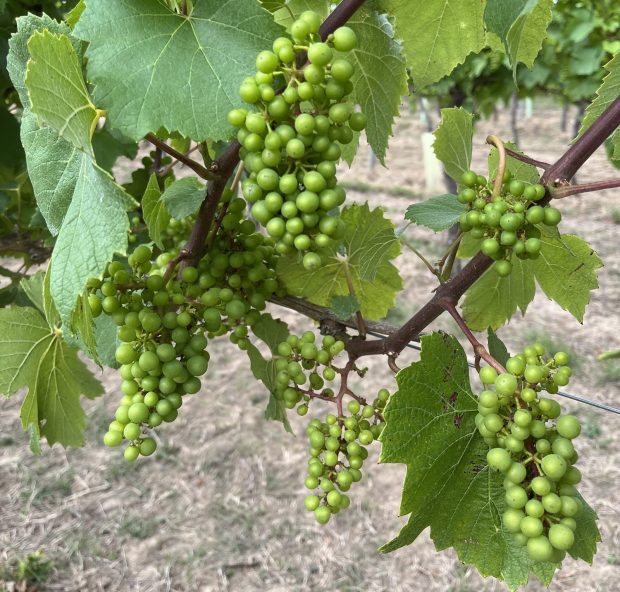
PIWI Wines Today
Although still a relatively niche area, PIWI wines are expanding steadily across Europe.
Vineyard area (approximate)
- 3000 hectares in Germany (3 % of the total area under vine)
- 883 hectares in Austria (2 % of the total area under vine)
- 2,768 hectares in France (0.35 % of the total area under vine)
- 2,000 hectares in Italy (0.3 % of the total area under vine in 2023)
- Switzerland currently has just over 500 hectares of PIWI plantings, which account for 3.5 % of the total area under vine.
PIWI wines are now a visible presence at major trade fairs such as ProWein in Düsseldorf and are increasingly associated with organic and biodynamic viticulture. Their reduced need for chemical intervention aligns naturally with these farming philosophies.
The Future of PIWI Wines
PIWI varieties are likely to play a key role in the future of sustainable viticulture for many reasons:
- Climate resilience: As disease pressure increases in a warming climate, resistant varieties become more attractive.
- Premium potential: Regions traditionally associated with high-quality wines are beginning to experiment. Champagne, for example, has approved limited plantings (up to 5%) of the resistant variety Voltis.
- Preservation of vineyards: PIWIs may help maintain steep, labour-intensive sites that might otherwise be abandoned.
At the same time, the future of PIWI wines is not without its challenges. Acceptance varies by region, regulatory frameworks still require adaptation and consumer perception – while improving – cannot be changed overnight.
Conclusion
PIWI wines sit at the point where tradition and innovation meet. Born out of necessity, refined through decades of breeding and propelled by sustainability concerns, they offer a compelling glimpse into the future of wine production.
For producers, they provide a practical response to environmental and economic pressures. For drinkers, they open up a new spectrum of flavours and styles, often with a smaller ecological footprint.
The best way to learn more about PIWI wines, however, is simple: taste them.

Have you tried the new generation of PIWI wines? Let me know your thoughts in the comments.
And if you’re looking to make your mark in the English-speaking world but just can’t find the right words, get in touch – let’s make your wines shine!
Further reading:
piwi-international.org
piwi-austria.at
winesofgermany.com
internationalwinechallenge.com


