
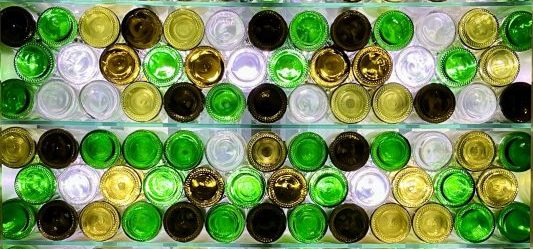
With climate change at the forefront of industry concern, sustainability in wine production is an issue that remains under constant scrutiny, with the use of glass wine bottles a hot topic for both winemakers and consumers alike. But what are the alternatives? And is glass still the gold standard for the future?
A short history of wine bottles
Until the seventeenth century, wine was typically stored and transported in barrels, amphorae and leather, tin or stoneware bottles. Glass was generally considered too fragile and susceptible to breakage to transport this precious cargo, but all this was to change with the introduction of coal-fired furnaces in England, which made it possible to produce stronger, heavier glass bottles. While this sturdier alternative made it much easier to safely store and transport wine by the bottle, it also introduced a whole new set of challenges.
Why is glass use an issue?
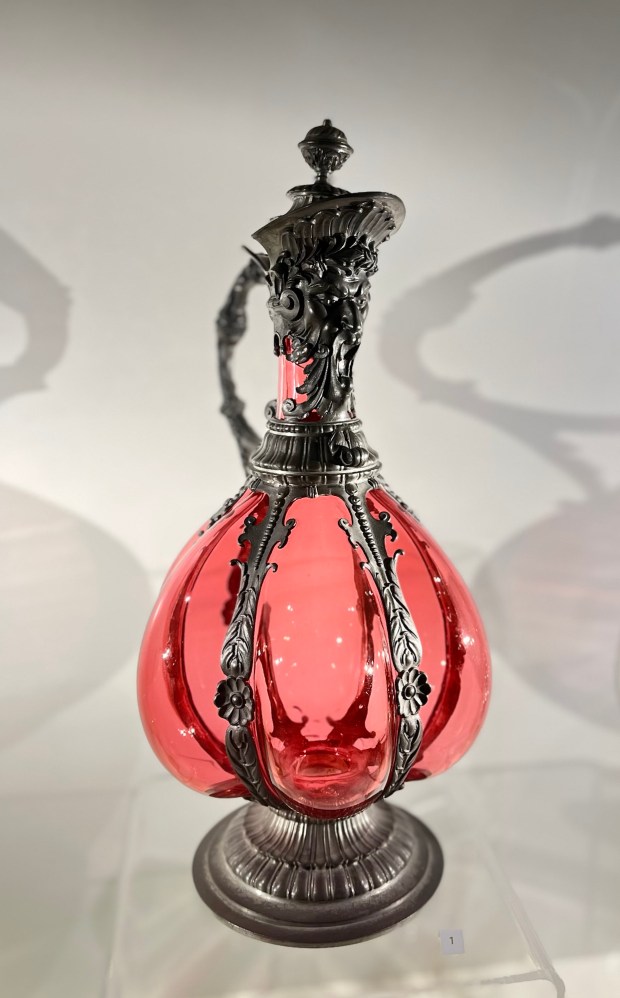
The sturdiness that made glass bottles the ideal solution for storing and transporting wine is exactly what makes them potentially problematic today. The average wine bottle weighs around 500 g, up to 800 g for sparkling wines. The heavier the bottle, the higher the transport costs and CO2 emissions. According to a 2019 study by the climate expert Dr Helena Ponstein, packaging accounts for 57 % of the greenhouse gas emissions generated by one bottle of wine, 47 % of which are from the glass bottle alone. A 2018 study by Gaia Consulting Oy, commissioned by the Finnish alcohol monopoly Alko, estimates the carbon emissions of one 0.75-litre glass bottle to be 675 g/l.
These days, wine is typically stored and transported in single-use glass bottles. Although these can be recycled and may therefore not end up in landfill, transporting and melting them still requires huge amounts of energy.
What are the alternatives?
While glass bottles remain the dominant packaging format in the wine industry, scientists are developing a growing number of alternatives with the aim of reducing the environmental impact of their production and transport. However, adoption remains sluggish, and according to Professor Dominik Durner of the Weincampus Neustadt, only around 5 % of wine in Germany is currently sold in non-glass packaging.
Hybrid solutions
The alternative to glass bottles already familiar to most consumers is boxed wine, also known as bag-in-box (BiB) packaging. Despite the efficiency of this solution, consumer perception remains a barrier to widespread adoption. Many people associate BiB with lower quality wines, and a study by Wine Intelligence found that only 35 % of consumers consider bag-in-box the most sustainable option, while 55 % still perceive glass bottles as more environmentally friendly. The 2018 Gaia Consulting study shows that this is not the case, estimating emissions of around 70 g CO₂ per litre for a 3-litre bag-in-box, compared to approximately 675 g CO₂ per litre for a standard glass bottle.
One particularly promising innovation is the Frugal Bottle by Frugalpac. Composed of approximately 94 % recycled cardboard and an internal, food-grade plastic pouch, it boasts a carbon footprint up to six times lower than a normal glass bottle and is five times lighter. Although with similar products, separating the cardboard outer from the plastic inner layer has proved difficult for consumers, Frugal’s illustrated three-step guide aims to prevent this issue.
Plastic fantastic
Another company to watch is the UK-based climate-tech packaging business Packamama, whose flat bottles made from 100 % recycled PET weigh as little as 63 g. According to company claims, these bottles allow up to 91 % more wine per pallet, significantly reducing CO2 emissions and improving transport and storage efficiency. Similarly, the German start-up Weinton has developed hybrid bottles that combine an ultra-thin glass inner layer with a 100 % recycled plastic shell. These designs aim to preserve wine quality by minimising oxidation, preventing flavour contamination and dramatically reducing bottle weight by 89 %.
The glass is always greener
Recycled glass also plays a role in improving sustainability without abandoning traditional formats. Companies such as Encirc are developing bottles made entirely of recycled glass and produced using only biofuels – often marketed as among the most sustainable glass wine bottles available and producing significantly less CO2 than those produced with fossil fuels – while many wineries are adopting lighter, thinner-walled glass bottles to cut down on material use and transport-related emissions. Interestingly, the highest proportion of recycled material can be used in green glass, with an average of just over 60 %. (To find out how green glass can help protect the aromas and flavours in your wine, read my article Light Strike – The Wine Fault That Matters More Than You Think.)
Other popular alternatives to glass and plastic include aluminium cans, which offer excellent recyclability and low transport weight, though they are typically associated with lower-priced or casual wine consumption
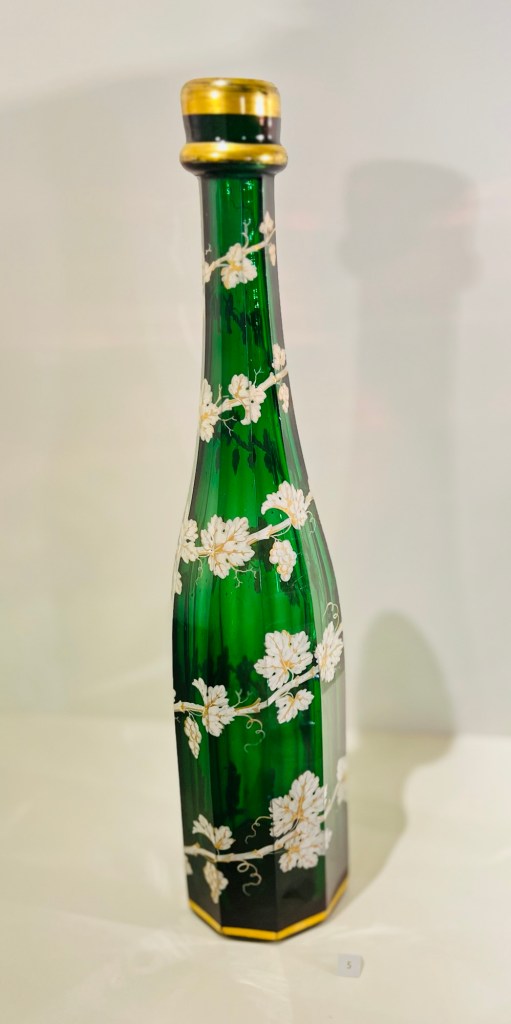
Despite these innovations, technical limitations persist. As Professor Marc Dreßler notes, plastic packaging is not fully impermeable to oxygen and may release substances that affect wine quality. As wine does not have a fixed shelf life, packaging must ensure long-term stability – an area where glass still has the advantage.
What’s next? The future of wine packaging
The future of wine packaging is likely to be shaped as much by perception as by technology. Many consumers still believe glass bottles to be the most sustainable option, and there remains a strong association between heavier bottles and higher-quality wine. Shifting these deeply rooted perceptions will take time; however, as awareness of environmental impacts grows and more alternatives become widely available, a gradual change in consumer attitudes appears increasingly likely.
Throughout the industry, practices are already evolving, with large-scale retailers beginning to adopt lower-impact packaging solutions. For example, ALDI UK has introduced “Chapter & Verse” wines in Packamama bottles, while also piloting aluminium wine bottles – the first of their kind in a UK supermarket. Across its broader operations, ALDI SOUTH has removed thousands of metric tonnes of glass from its supply chain since 2022 and reduced the average weight of its glass wine bottles by 42 g through collaboration with suppliers.
Beyond individual companies, sustainability is reinforced through collective initiatives and reporting frameworks. Organisations such as Fair’N Green and Fair Choice promote environmentally responsible practices across the wine sector, including packaging choices, while the German Sustainability Code provides guidance for transparent sustainability reporting, helping wineries and producers align with broader environmental goals.
Looking ahead, the most likely scenario is not the replacement of glass by a single alternative, but a diversification of packaging formats tailored to different use cases. Cardboard-based bottles, bag-in-box systems, recycled PET or aluminium containers and lightweight glass will each play a role depending on factors such as price point, distribution transport distance, and expected storage time. Ultimately, the pace of change will depend on the interplay between environmental performance, regulatory pressure and – perhaps most critically – consumer acceptance.

Have you tried any of these alternatives? What did you think? Let me know in the comments.
And if you’re looking to make your mark in the English-speaking world but just can’t find the right words, get in touch – let’s make your wines shine!
Photo credits: © Marie Kaiser


