
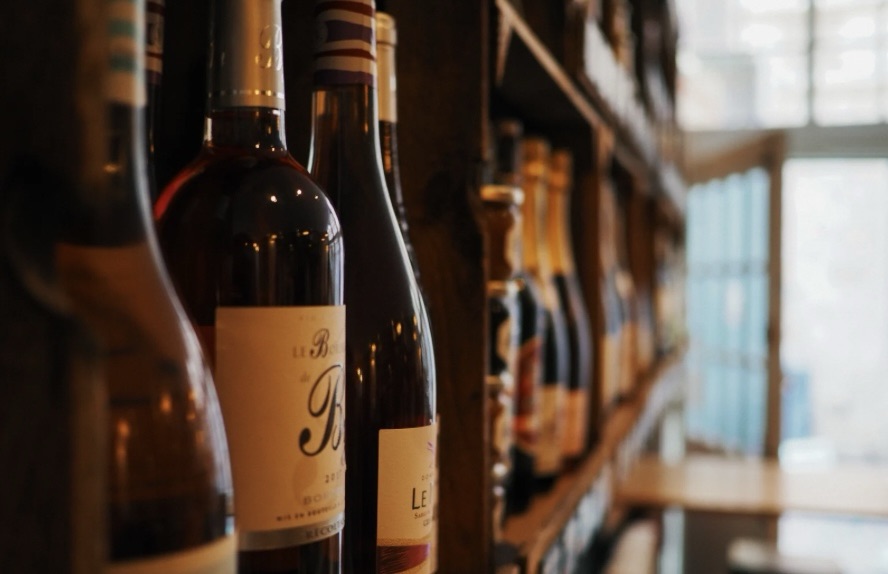
Look at it there. Standing proud on the shelf. Its pale pink glow almost ethereal; its siren song calling you. You part with your hard-earned cash, rush home and place it carefully in the fridge, mouth watering in anticipation. That evening, you settle down in your favourite spot on the patio, the one that catches the last rays of sun, and pour yourself a glass – perfectly chilled, beautiful, sparkling … cabbage? Uh-oh. You’ve been light struck.
What is light strike?
Light strike (German: Lichtgeschmack; French: goût de lumière) is a wine fault caused when UV or blue light (that is, light with shorter wavelengths of 200–420 nm) reacts with riboflavin in wine, causing sulphur-containing amino acids to become oxidised, which in turn leads to the development of sulphur compounds such as dimethyl disulphide (DMDS) and methanethiol. The result? Those vibrant fruit flavours we all love become dull and the wine begins to smell cabbagey, or like wet wool or damp cardboard. In short: highly unpleasant and guaranteed to put a dampener on what should have been an otherwise all-round pleasant experience.
Which wines are most at risk?
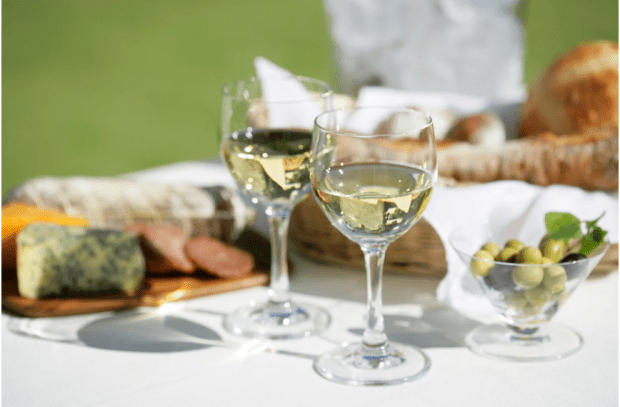
Light strike mainly affects more delicate wines – lighter whites, rosés and sparkling wines – although beer and even milk can also fall victim to this particular fault. These wines are usually packaged in clear glass bottles, leaving them more exposed to UV rays from the sun and some types of artificial light (e.g. fluorescent lighting in supermarkets). The bubbles in sparkling wines exaggerate the effects of light strike, whereas the tannins in red wines can help to block the chemical reactions responsible.
How to avoid light strike
Light strike, as we have just discussed, is not caused during wine production, but by storing wines in suboptimal conditions. Many winemakers and retailers have begun to spend time and money researching this issue and implementing preventative measures, which is why the clear glass bottles containing Louis Roederer’s Cristal are wrapped in that distinctive orange cellophane wrapper for UV protection, while Rathfinny in Sussex bottle all their wines, both still and sparkling, in dark antique-green bottles and use only non-UV lights in the winery.
Tips for wine drinkers
But what about the end consumer? What measures can you take at home to prevent light strike from spoiling your wine?
- Store your wine in the coolest, darkest part of the house.
- Keep your wine well away from direct light – take it off that sunny windowsill right now.
- Where possible, buy wines in dark green or amber-coloured glass bottles.
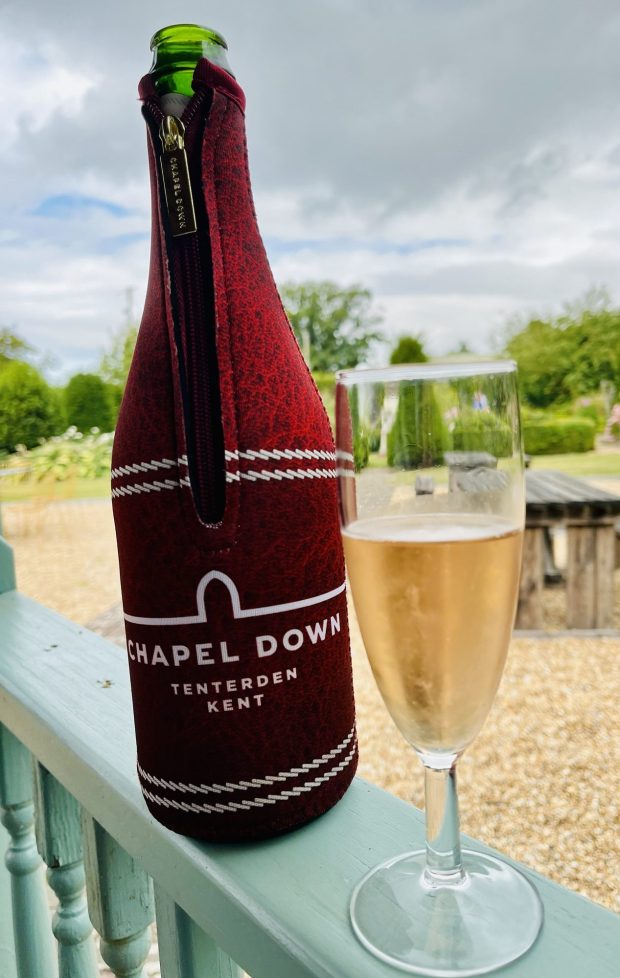
- If you’re drinking wine outdoors, keep the bottle in the shade – better still, invest in a wine sleeve. (I love my England Cricket wine sleeve!)
- If you’re feeling fancy and have cash to splash, consider investing in a wine fridge with UV protection.

Have you ever come across a wine affected by light strike? Let me know in the comments.
And if you’re looking to make your mark in the English-speaking world but just can’t find the right words, get in touch – let’s make your wines shine!
Further reading
Want to learn more? Do check out:
- This excellent article by Alex Hunt MW for jancisrobinson.com
- This fascinating episode of Wine Blast with Susie and Peter
- This abstract of the research paper ‘Flint Glass Bottles Cause Aroma Identity Degradation in White Wine’
- This article in ProWein magazine
Photo credits:
Featured image: © Florent Beriaux from Pexels via Canva.com
Image 2: © Aflo Images via Canva.com
Image 3: © Marie Kaiser
Image 4: © Marie Kaiser

 Die Weinübersetzerin